Welcome to the Schmidt Research and Extension Team
Supporting socially and environmentally responsible livestock production
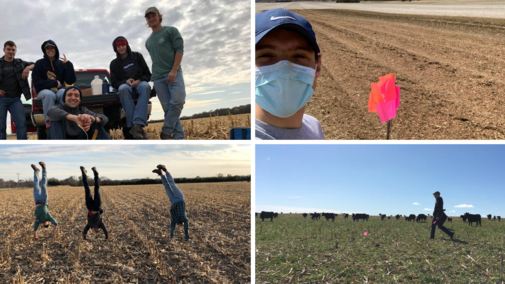
Many people do not recognize the soil health and natural resource benefits of livestock manure as a cropping system input. The Schmidt Research and Extension Team at the University of Nebraska-Lincoln, led by Dr. Amy Schmidt, works to enhance soil, water, and air quality by promoting evidence-based practices among agricultural producers that are environmentally, economically, and socially sustainable. Our team values a One Health approach, which recognizes that the health of people, animals, and our shared environment are all closely connected.
Integration of Research and Outreach
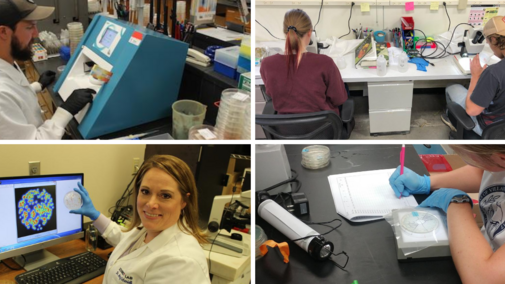
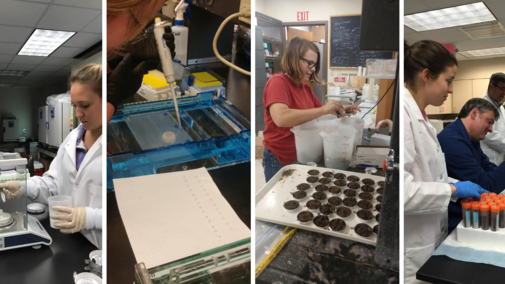
Land-grant universities like the University of Nebraska-Lincoln are driven by a mission to integrate research, teaching, and extension to find solutions and equip citizens with skills to address complex challenges. In the Schmidt Lab, our integrated research and extension efforts are helping to define, demonstrate, and support implementation of manure and nutrient management solutions that achieve water and air quality goals.
When we work together
Improving agricultural sustainability is complex. Collaborations among farmers, policymakers, educators, and citizens are necessary to improve understanding about the impacts of agricultural production and advocate for the adoption of sustainable manure management practices. The Schmidt Lab emphasizes the shared responsibility of all stakeholders in understanding, recognizing, and adopting practices that sustain agricultural production and support healthy communities.